Address
304 North Cardinal St.
Dorchester Center, MA 02124
Work Hours
Monday to Friday: 7AM - 7PM
Weekend: 10AM - 5PM

Address
304 North Cardinal St.
Dorchester Center, MA 02124
Work Hours
Monday to Friday: 7AM - 7PM
Weekend: 10AM - 5PM
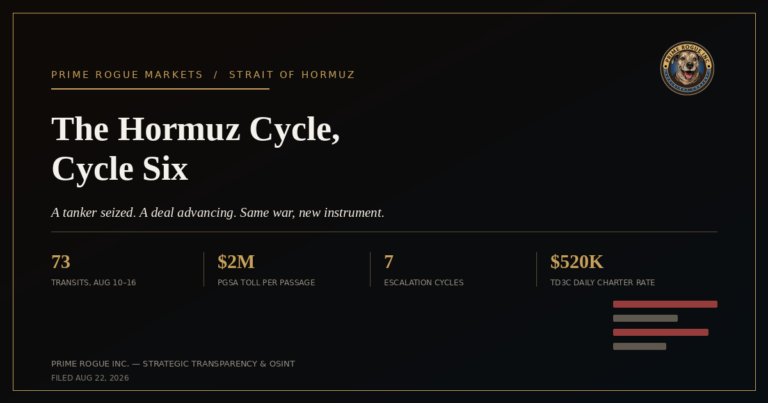
The Hormuz Cycle, Cycle Six: A Seizure, a Near-Deal, and the Toll Authority Nobody Recognizes Prime Rogue Markets, Vol. 1.3 Prime Rogue Inc. — Intelligence & Markets Desk | Kevin J.S. Duska Jr. | August 22, 2026 | 8 min…

Flashpoint Hormuz: Risk Assessment and Strategic Forecast Amid U.S.-Iran-Israel Conflict Executive Summary Increasingly Intense hostilities between Israel and Iran since June 13, 2025 have raised the specter of Iran attempting to close or disrupt the Strait of Hormuz within the next…
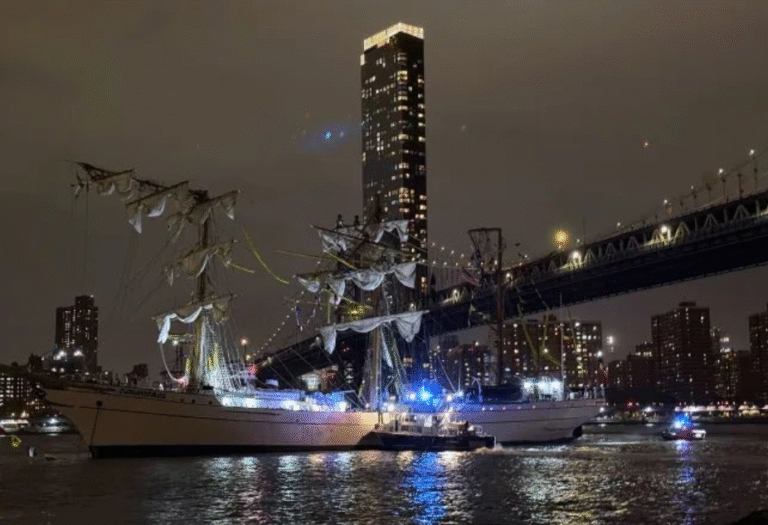
OSINT Report on Cuauhtémoc Collision with Brooklyn BridgeEvent Timeline & Vessel Movements The Mexican Navy training ship ARM Cuauhtémoc departed Mexico in early May 2025 on a routine training cruise (previously she sailed from Acapulco on May 6, 2024. According…
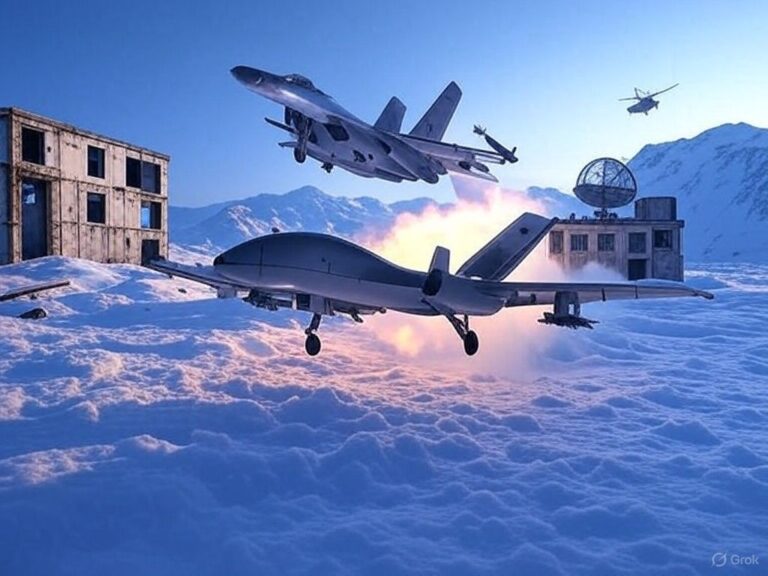
Top 10 Technological Asymmetric Warfare Shocks That Shattered Military Confidence (From Naval Drone Kills to Stealth Collapses — When the System Was the Vulnerability) Introduction The mythology of military superiority is rarely undone by brute force. It collapses when confidence…

Ten Times a Country With No Navy Sank the Narrative: Asymmetric Naval Warfare in the Age of Decline INTRODUCTION The Surface Fleet Is Dead. Long Live the Algorithmic Coastline. Naval power used to mean tonnage. Big grey ships, radar towers…

Strategic Analysis: U.S. Aircraft Carrier Deployment Toward Iran – Implications and Risks Introduction: The U.S. Military’s Strategic Shift in the Middle East The recent deployment of three U.S. aircraft carrier strike groups—USS Carl Vinson, USS Dwight D. Eisenhower, and USS…
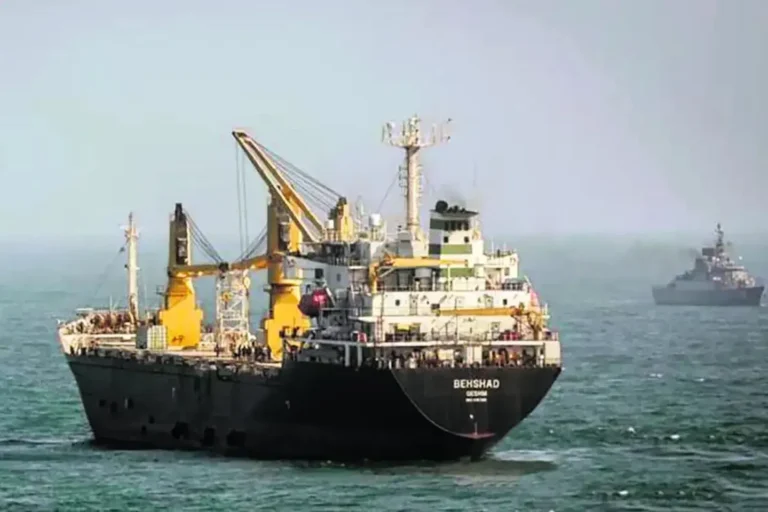
What Would Happen if the U.S. Targeted Iran’s Spy Ship Behshad?Introduction: Could the U.S. Strike Iran’s Spy Ship Behshad? The waters of the Red Sea have become a battleground of covert operations, proxy warfare, and escalating maritime threats. At the…
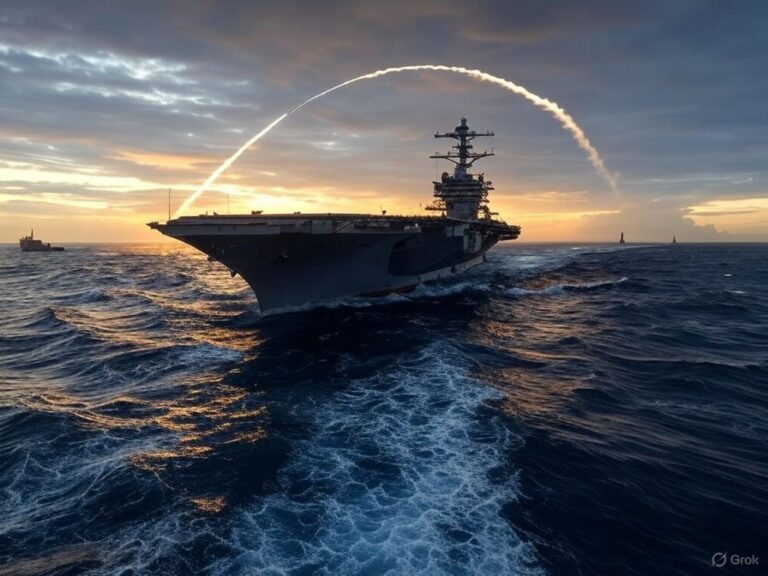
Did the Houthis Hit the USS Harry S. Truman? Assessing the Claim and Its Geopolitical FalloutI. Introduction In the early hours of March 16, 2025, unconfirmed reports began circulating online suggesting that the USS Harry S. Truman, a Nimitz-class aircraft…
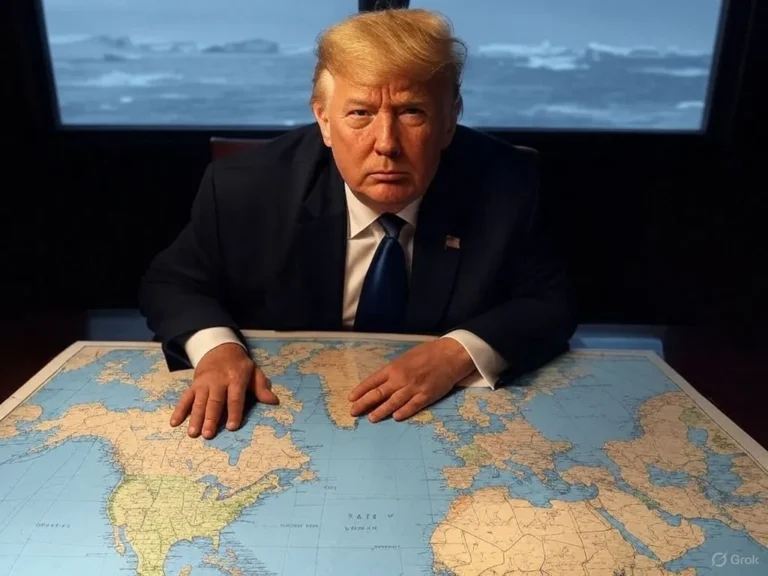
The GIUK Gap, Greenland, and the Battle for Arctic Supremacy: NATO, Russia, and Trump’s Annexation Gambit Introduction: The GIUK Gap and Renewed Geopolitical Tensions For decades, the GIUK Gap—the naval chokepoint between Greenland, Iceland, and the United Kingdom—has been a…
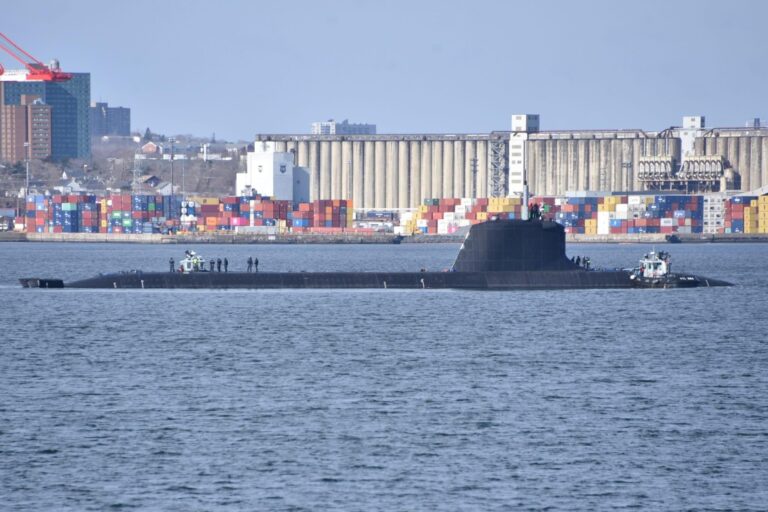
FS Tourville à Halifax : Escale de routine ou signal stratégique de la France ? Introduction Ce rapport examine les raisons potentielles derrière cette visite, en évaluant les implications stratégiques et en attribuant des probabilités à quatre hypothèses principales :…